
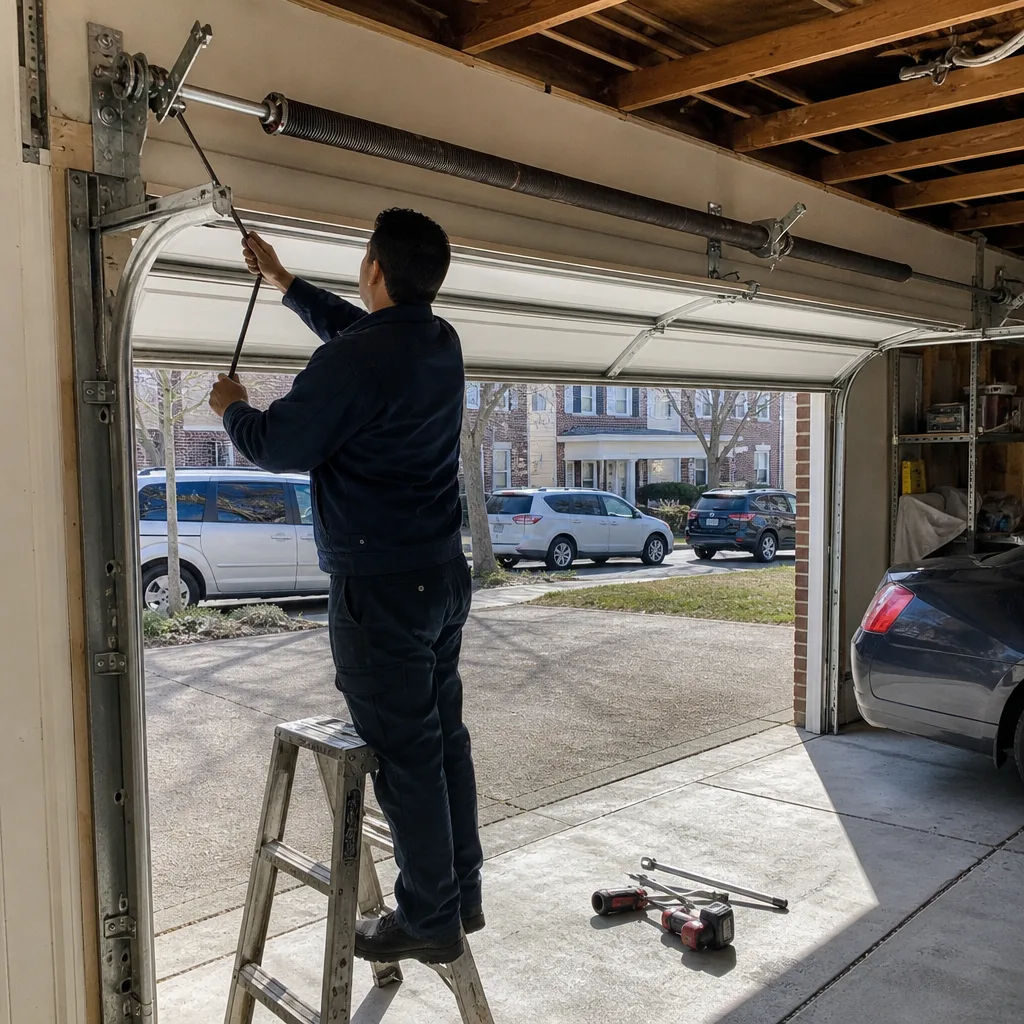
Last updated November 21, 2026
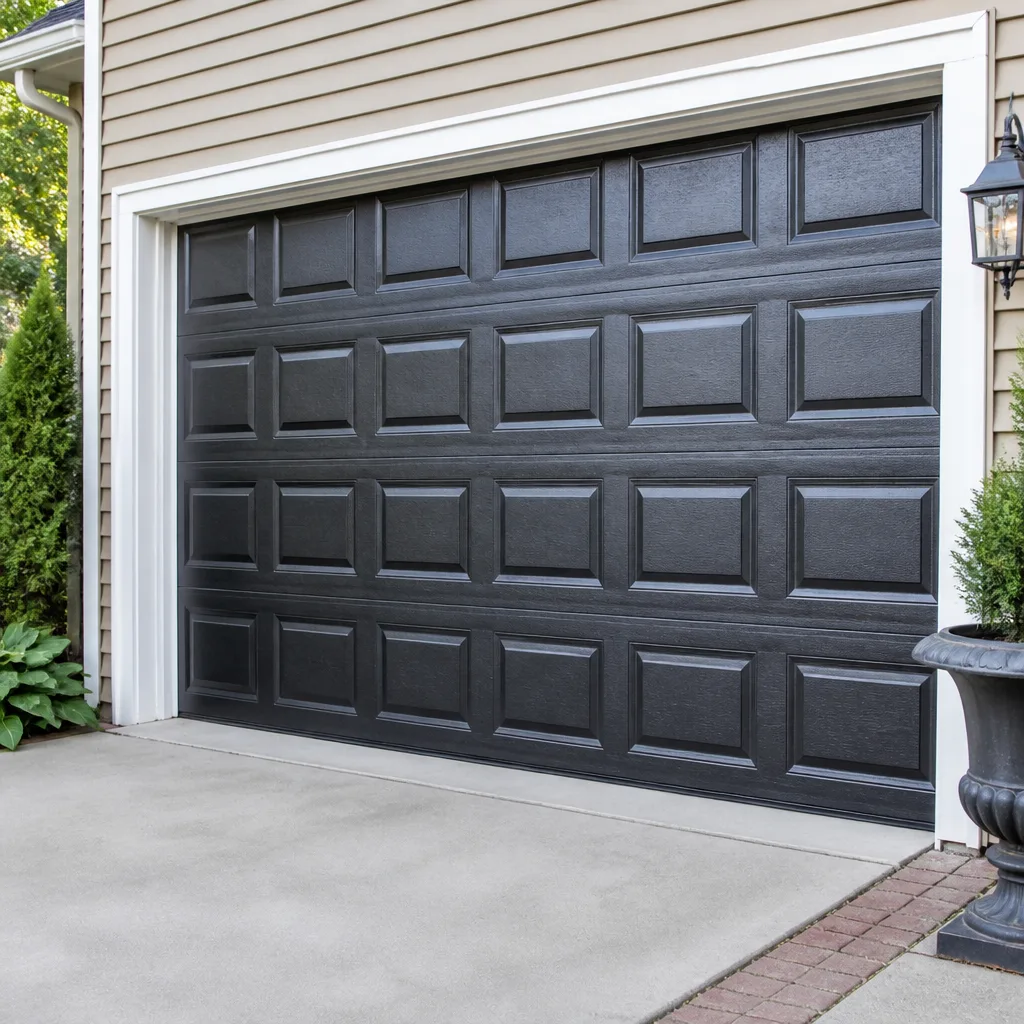 Raised-panel steel
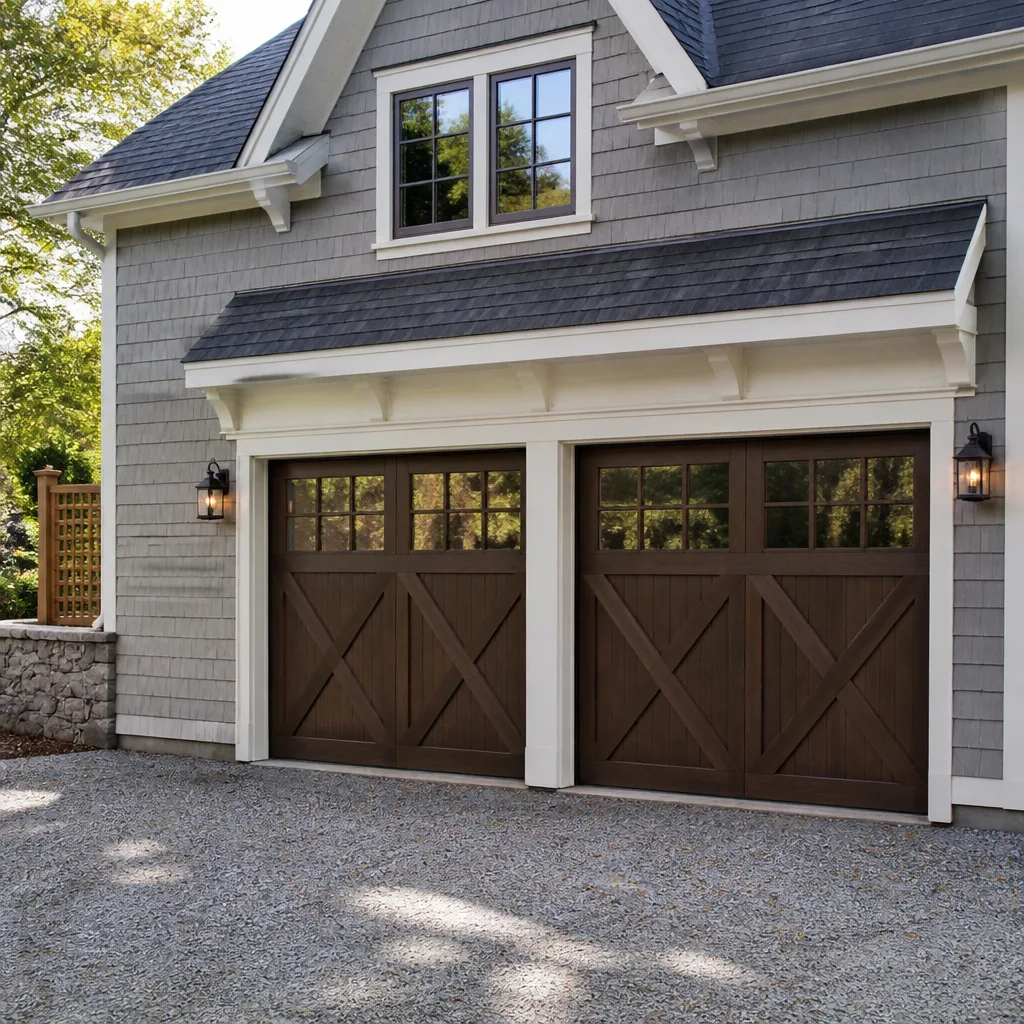 Carriage house
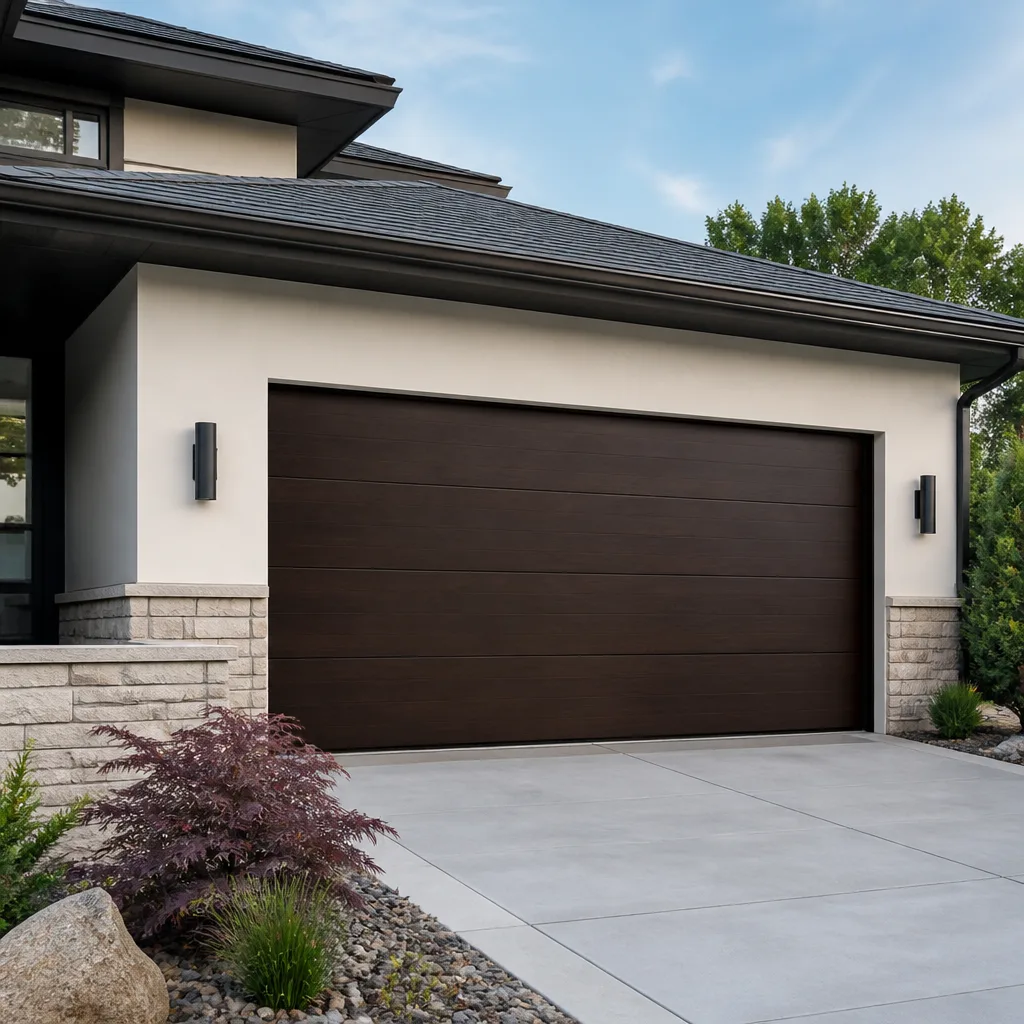 Modern flush
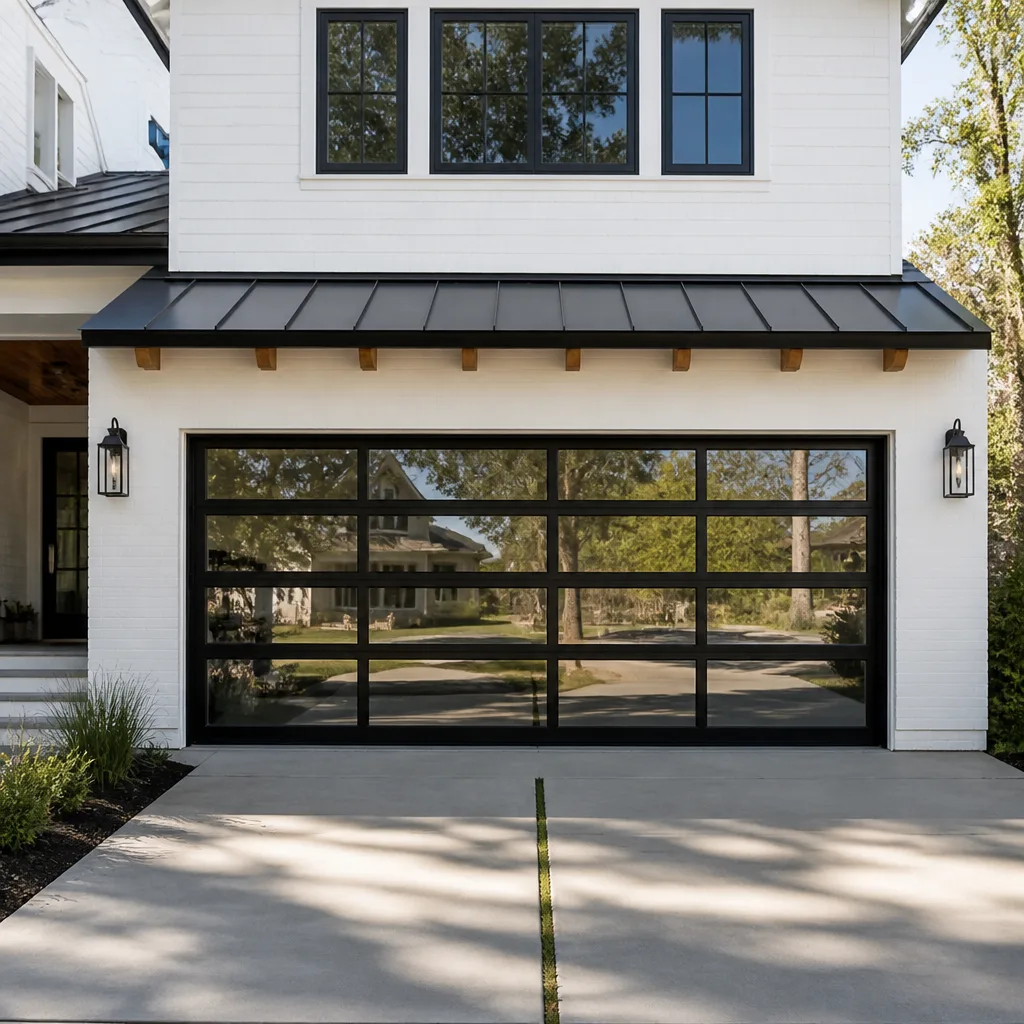 Full-view glass
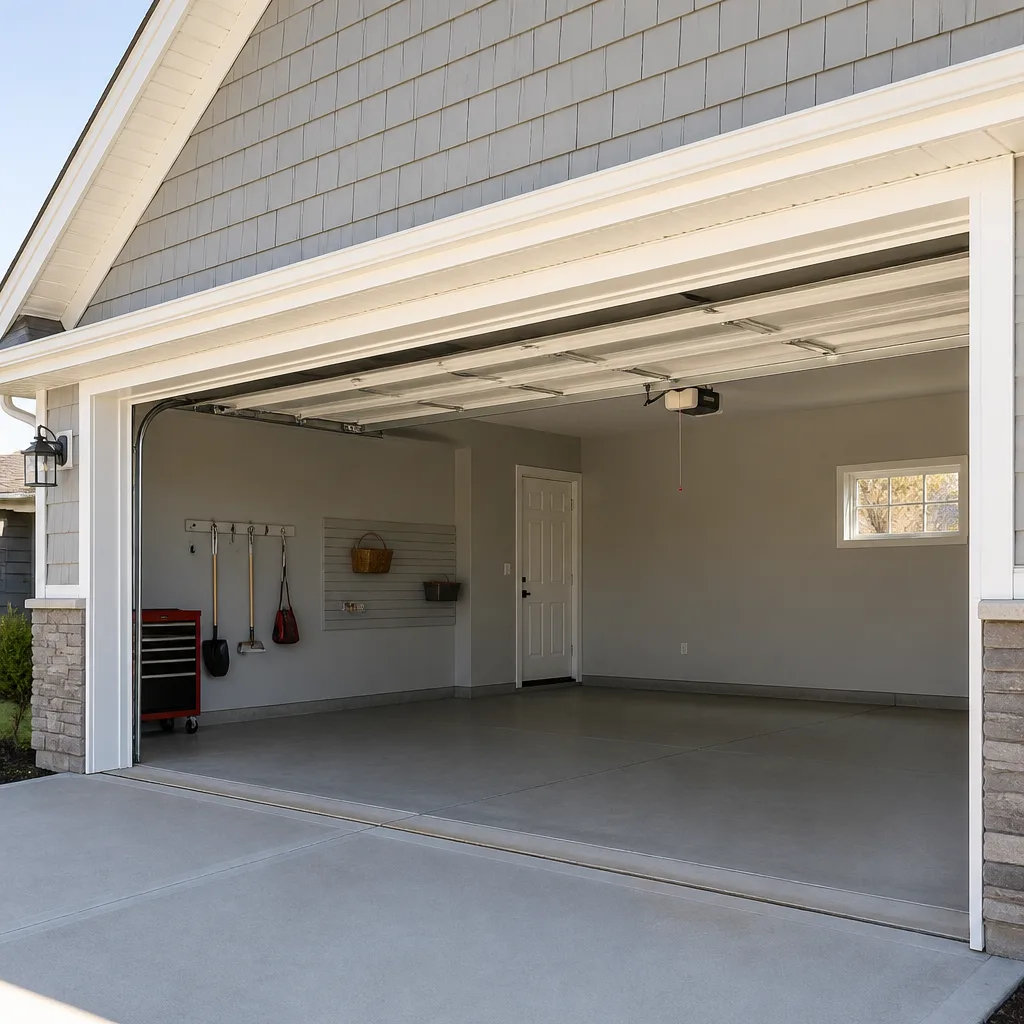 LiftMaster openers
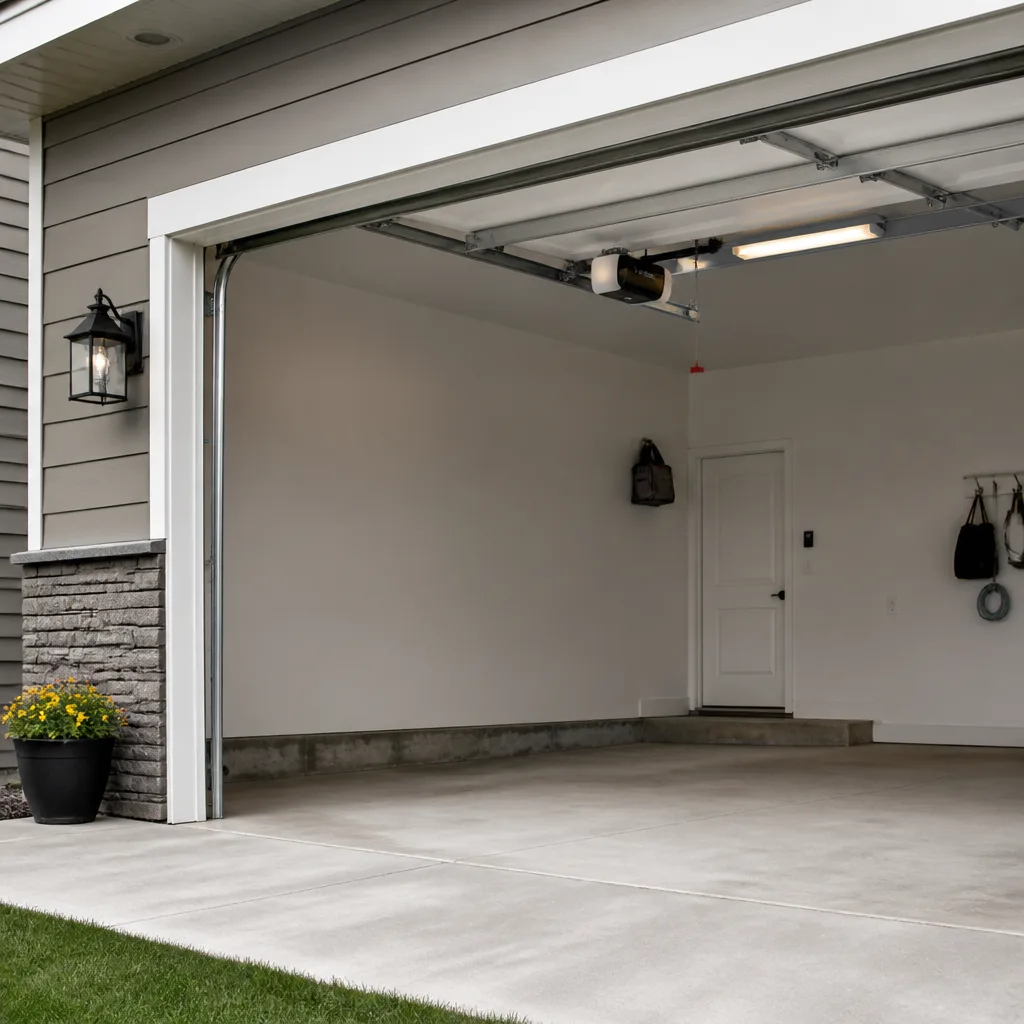 Chamberlain openers
Full 25-point door and opener safety check with every visit - springs, cables, rollers, tracks, and your LiftMaster or Chamberlain opener included
You get a price before we start. It does not change when the pro arrives.
Get your free estimateGarage Door Permits, Codes & Inspections in Flatbush, NY: What You Need to Know
Here’s what surprises most Flatbush homeowners: the permit question isn’t about whether your door is broken. It’s about whether the work counts as a repair or an alteration under the NYC Building Code. Swap a spring or a roller and you’re in repair territory, no filing needed. Pull out the whole door and hang a new one and you may have crossed into alteration territory, which can mean a Department of Buildings permit, a filed plan, and an inspection before the job is truly finished. This guide walks through the specific threshold that separates the two, how facade rules can reach an attached garage, who files what, how to check a property’s permit history, and what to do when unpermitted door work turns up at a sale. By the end, you’ll know which flatbush garage door jobs need paperwork and which don’t.
Quick Answer
A repair to an existing garage door, like a spring, cable, opener, or panel, generally doesn’t require a NYC DOB permit because it restores the structure to its existing condition. Replacing an entire door assembly, changing the opening, or altering the structure around it may count as an alteration and can require a permit and inspection under the NYC Building Code. When in doubt, ask the DOB before the work starts, not after.
Styles & brands we work with
- Raised-panel steel
- Carriage house
- Modern flush
- Full-view glass
- LiftMaster openers
- Chamberlain openers
Table of Contents
- Repair or Alteration? The NYC DOB Threshold for Garage Doors
- What a Takeout and New Door Involves
- How Facade Rules Can Reach Garage Door Work
- Who Files a Permit: Contractor or Homeowner?
- How to Check a Property’s Permit History Before You Start
- What Happens If Unpermitted Work Is Discovered
- What an Inspection Actually Looks Like
- Permits, Codes and What the Job Costs
Repair or Alteration? The NYC DOB Threshold for Garage Doors
The NYC Building Code draws a line between maintenance that keeps a structure in its existing condition and work that changes it. For garage doors, the line usually falls at the point where the door itself, the opening, or the framing around it changes. That’s the threshold worth understanding before any work begins in Flatbush.
Most of what we do sits firmly on the repair side. On a repair, no DOB filing is triggered because the work restores function to what’s already there.
- Replacing one or both torsion or extension springs
- Swapping snapped cables or worn rollers
- Replacing hinges, bearings, or a bent track section
- Repairing or replacing an opener motor, logic board, or remote
- Replacing a single damaged panel with a matching panel
- Adjusting balance, travel limits, or safety sensor alignment
A full door replacement is where the conversation changes. Pulling out an entire sectional door and hanging a new one, especially when the new door changes the headroom, the track configuration, or the opening dimensions, can read as an alteration. So can cutting into the framing or the masonry around the opening. On an alteration, the DOB generally wants a filing, and depending on scope, may want plans and a final inspection.
Here’s the nuance worth repeating to anyone in Flatbush with an older attached garage: a same-size door swap into an unchanged opening is often treated more like a repair than a structural alteration, but that determination belongs to the DOB and your filing professional, not to a phone estimate. We’ve learned to treat the question seriously rather than assume. Ask the city’s building department before committing to a full replacement, and get the answer in writing where you can.
What a Takeout and New Door Involves
Understanding why a full replacement trips the permit conversation helps. A door swap is not a one-for-one fastener exchange. The existing door, springs, tracks, and often the operator come out, and the new assembly has to be checked against the opening it’s going into. That’s the kind of work the DOB wants documented on a larger job.
As a general sequence, here’s what a takeout and new install involves:
- Measure the opening, headroom, and back room, and confirm the new door matches.
- Remove the existing door panels, then carefully release and remove the springs.
- Take down the tracks, hardware, and any operator that isn’t being reused.
- Inspect the jamb and framing for rot, looseness, or out-of-square conditions.
- Hang the new tracks and level them.
- Install the panels, then the springs, and balance the door.
- Reinstall or install the opener and set travel, force, and safety sensors.
- Test the door and operator together before the job is considered done.
The spring removal step is the one a homeowner should never attempt personally. Torsion springs and cables are under extreme tension, and releasing a wound spring without the right tools and training can cause serious injury. This is why spring work is a specialty job and a permit question comes later, after a licensed installer has safely taken the door down. If a replacement in Flatbush is the end goal, a free measure and written price comes first, then the filing question gets answered before anything is ordered. Learn more about how garage door installation works from start to finish.
How Facade Rules Can Reach Garage Door Work
NYC’s facade inspection and maintenance requirements are aimed at building exteriors above a certain height, and the rules are complex. For most Flatbush homeowners with a one- or two-family house and an attached or detached garage, facade rules are not the controlling issue. But when the garage is part of a larger attached structure, particularly on a corner property or a building that rises above the typical low-rise, the facade question can matter.
The reason is that a garage door is a face of the building. If a garage door is a component of a facade that’s subject to a city-mandated inspection or repair cycle, replacing it is not just a door decision. The facade questions include:
- Does the door or its surrounding wall sit on a facade that’s already part of a required inspection cycle?
- Does the replacement change the appearance of a regulated facade?
- Would the new door attach to or affect a parapet or wall included in a previous facade filing?
If you live in a larger Flatbush property and you’re not sure whether your garage wall falls under a facade requirement, the right move is to ask the DOB directly. A short phone call or an online check settles the question. Most low-rise Flatbush houses won’t trigger it, but the ones that do are usually the ones that matter most to get right. Since we’re a garage door specialist and not a facade consultant, we flag the question and recommend confirming with the city’s building department before a door goes in. Knowing when to draw that line is part of doing the job honestly.
Who Files a Permit: Contractor or Homeowner?
On any NYC garage door permit, the filing responsibilities split in a specific way. The person performing or supervising the work is generally the one who files on the homeowner’s behalf and carries the responsibility for the filing being accurate. The homeowner’s job is to make sure the filing happens and to keep the paperwork.
In practice, the split looks like this:
- The contractor or filing professional: prepares and submits the application, coordinates the plan and scope, and manages the inspection coordination.
- The homeowner: verifies that a qualified and properly licensed filing professional is on the job, reviews what’s being filed, and keeps signed copies of every approval and inspection result.
A garage door contractor is not automatically able to sign off on the permit filing depending on the scope of work. On a large alteration, a licensed filing professional or architect may be needed to prepare the paperwork. That’s a normal part of the process. What’s not normal is proceeding without knowing the answer to the permit question because it was easier not to ask. For a repair, there’s no permit to file. For a replacement on a larger property, that conversation should happen before the door is ordered. Ask your garage door contractor to state clearly in writing what they’ll file and what they expect from you, and match it to what the DOB requires for your property.
How to Check a Property’s Permit History Before You Start
Before you commit to any garage door replacement in Flatbush, check the property’s permit and certificate-of-occupancy history on the DOB NOW portal. This is the single most useful step a homeowner can take. It tells you what’s on record for the property and can surface a previous unpermitted door before you inherit the problem.
Here’s how to do it:
- Go to the NYC DOB NOW portal or the Buildings Information System (BIS) search page.
- Enter your property’s address or Borough, Block, and Lot number.
- Review open and closed permits for the property, including any garage or structural work.
- Look for a certificate of occupancy that matches the current layout, paying attention to any garage use listed.
- File a property record request if something looks off and you need clarification.
- Take screenshots or download PDFs of everything so you have a record.
Running this check before a sale is the smart move. It’s also smart before a door replacement, because you want the current work to be filed under a clean history. If you find a prior unpermitted garage door replacement on a Flatbush property you’re buying, that’s information you can negotiate with before closing rather than after. If you’re the seller, getting ahead of the question lets you address it on your timeline instead of under pressure. Either way, the DOB portal is free to use, and it’s the same source any buyer’s attorney will consult.
What Happens If Unpermitted Work Is Discovered
Unpermitted garage door work generally surfaces at two moments: a property sale or an insurance claim. Both are stressful, and both are better handled before they happen. What turns a small issue into a large one is generally not the door itself but the missing paper trail.
At a sale, a buyer’s attorney or lender may run a permit history and find a door replacement on record as never having been permitted. That can hold up a closing while the paperwork gets sorted. Remediation usually means filing for a permit after the fact, documenting what was installed, and getting an inspection to bring the property into compliance. It’s doable, but it takes time and adds cost to whoever is holding the property when it surfaces.
At an insurance claim, the missing permit can complicate how the claim is evaluated. Insurers review whether work on a property was done properly and lawfully, and a missing permit weakens the paper trail. Again, the door is usually not the problem. The absence of documentation is.
The remediation path usually follows this shape:
- Determine what was actually installed and when.
- File a permit for the work with the DOB.
- Get an inspection scheduled and passed.
- Obtain the sign-off and keep a copy with the property records.
Flatbush has a large stock of older attached housing, and door replacements from previous decades are common. A property sale is exactly the moment that history becomes visible. Getting ahead of it with a DOB check before listing, or before buying, is the cleaner path. If you need the door itself evaluated first, our garage door repair page explains when a repair is the right call versus a replacement that would trigger the permit question.
What an Inspection Actually Looks Like
When a garage door replacement or alteration requires an inspection, the inspection verifies that the work matches the filed scope and that the door operates safely. It’s usually a relatively short site visit. The trick is having everything ready so it passes the first time.
What the inspector typically looks at:
- That the door, opening, and framing match the filed plans.
- That the door is properly hung, balanced, and does not bind.
- That the operator’s safety features, including the auto-reverse and photo-eye sensors, function correctly.
- That any structural changes around the opening are finished and stable.
From our side, the preparation usually looks like this:
- Confirm the door matches the filed scope and the size in the paperwork.
- Test the springs, balance, and travel one more time before the inspector arrives.
- Confirm the opener’s force settings and safety sensors are working.
- Have a signed copy of the approval and inspection record ready to hand to the homeowner.
If a door is picked because it fits the opening and switches cleanly, the inspection side is usually uneventful. The troubles tend to come from doors installed before the permit was filed or doors that differ from the plans. That’s why the sequence matters: file first, install second, inspect third. Skipping the middle step of that order is what creates the retroactive filing situation. For Flatbush homeowners, the smartest move is to ask about the permit question before the door is even ordered.
Permits, Codes and What the Job Costs
A permit doesn’t change what the door work itself typically costs, but it does add a line to the job. The permit cost is set by the DOB, not by the contractor, and it varies based on the scope and the property. Here’s how the door-side work typically breaks down in Flatbush, separate from any filing costs.
- Spring repair (one spring): a typical estimate range for a single torsion or extension spring replacement, with a pair generally costing about twice as much when both are replaced together.
- Opener repair or replacement: typical estimate range depends on the brand and opener type, with LiftMaster and Chamberlain units being the most common we see.
- Cable, roller, and hinge work: typical estimate range for a repair that restores function without an alteration.
- Single panel replacement: typical estimate range for a matched panel, sized to the existing door.
- Full door replacement and installation: a typical estimate range that varies with door size, material, and whether it’s a same-size swap or a larger alteration.
- DOB permit cost: set by the DOB and separate from the door work, with the filing professional coordinating the timing.
Every one of these is quoted and agreed in writing before any work starts. The written estimate is the price, and a permit-related line, if there is one, is disclosed up front and not added after the fact. Our technicians have up to 14 years of experience, and we work on the actual hardware in your home rather than adapting generic parts. That includes Craftsman and Raynor doors as often as the usual LiftMaster and Chamberlain operators. If the door needs a permit-adjacent replacement, the measure happens first, the filing question gets resolved, and then the order goes in. If the door needs a repair, there’s no filing at all. To learn more about how we evaluate an opener issue, see garage door opener repair.
Common Mistakes to Avoid
- Assuming a full door replacement is always just a repair. A same-size swap into an unchanged opening is often a straightforward install, but a change to the opening, framing, or track configuration can push the job into alteration territory. Ask the DOB rather than assuming either way.
- Not checking the DOB NOW portal before a sale or purchase. A Flatbush homeowner can discover a previous owner’s unpermitted door replacement years after it was installed. A quick portal search before closing puts you ahead of the conversation.
- Hiring a contractor who won’t say what they’ll file. If a contractor is vague about the permit, that’s a red flag. A straightforward job gives a straightforward answer.
- Skipping the certificate of occupancy review. The CO should match the current layout, including the garage use. A CO mismatch can surface in a mortgage refinance or sale, and it’s easier to fix on your timeline than under a deadline.
- Comparing estimates without a written scope. A quote that lumps in door, opener, and any filing is impossible to compare. Insist on a line-item written estimate, so the permit cost and the door work are clear separately.
- Not storing the inspection results. The inspection sign-off is the document that proves compliance. Keep a signed copy with the property records, the same way you’d keep a deed or a title search.
- Attempting torsion spring work to save money. Spring tension can cause severe injury. This is not a homeowner job, whether or not a permit is involved.
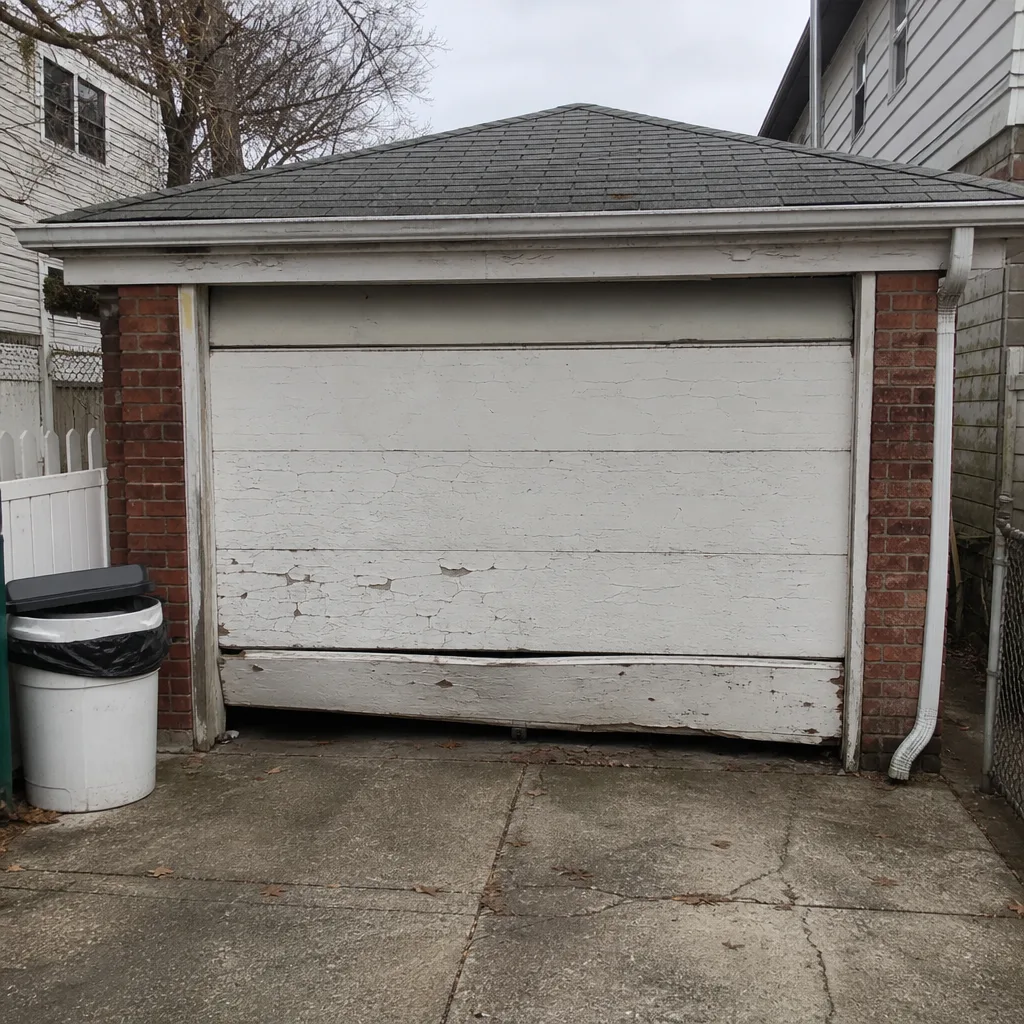
See the difference
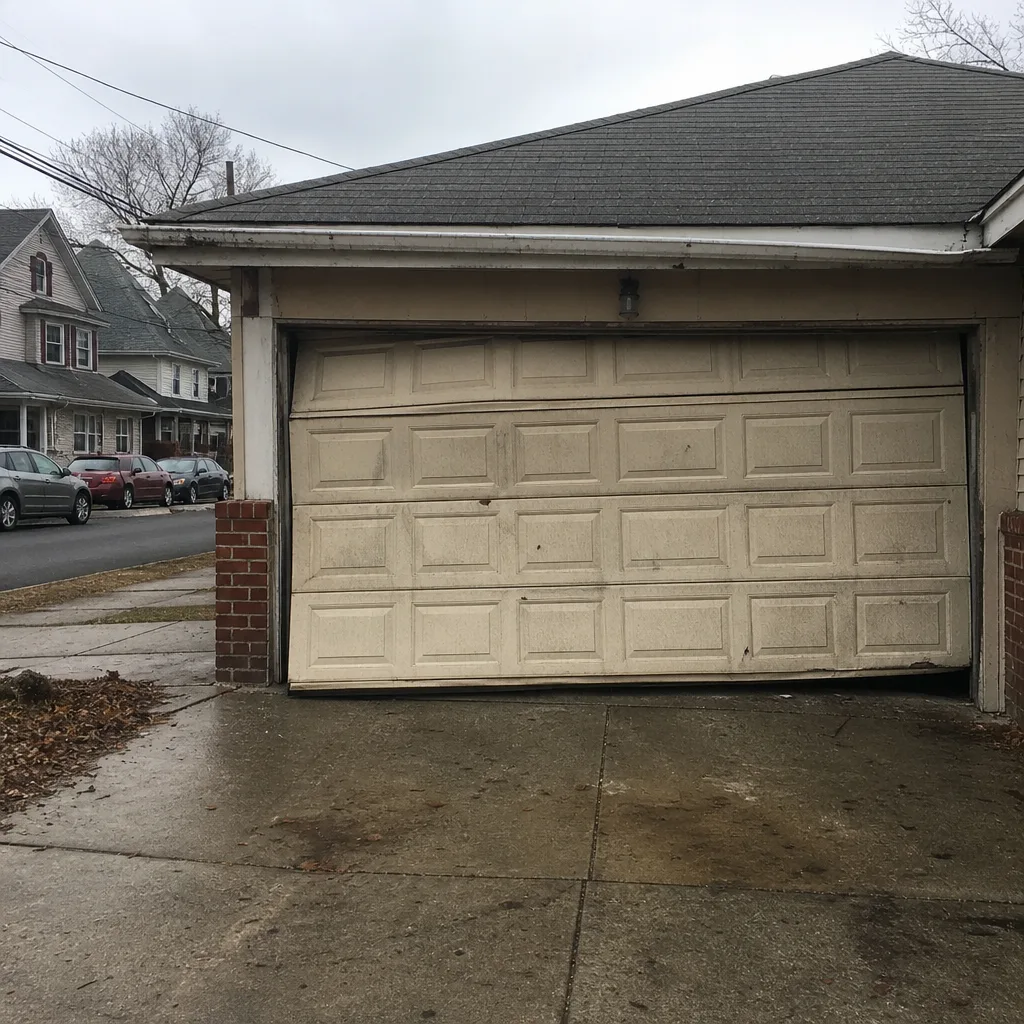 Before
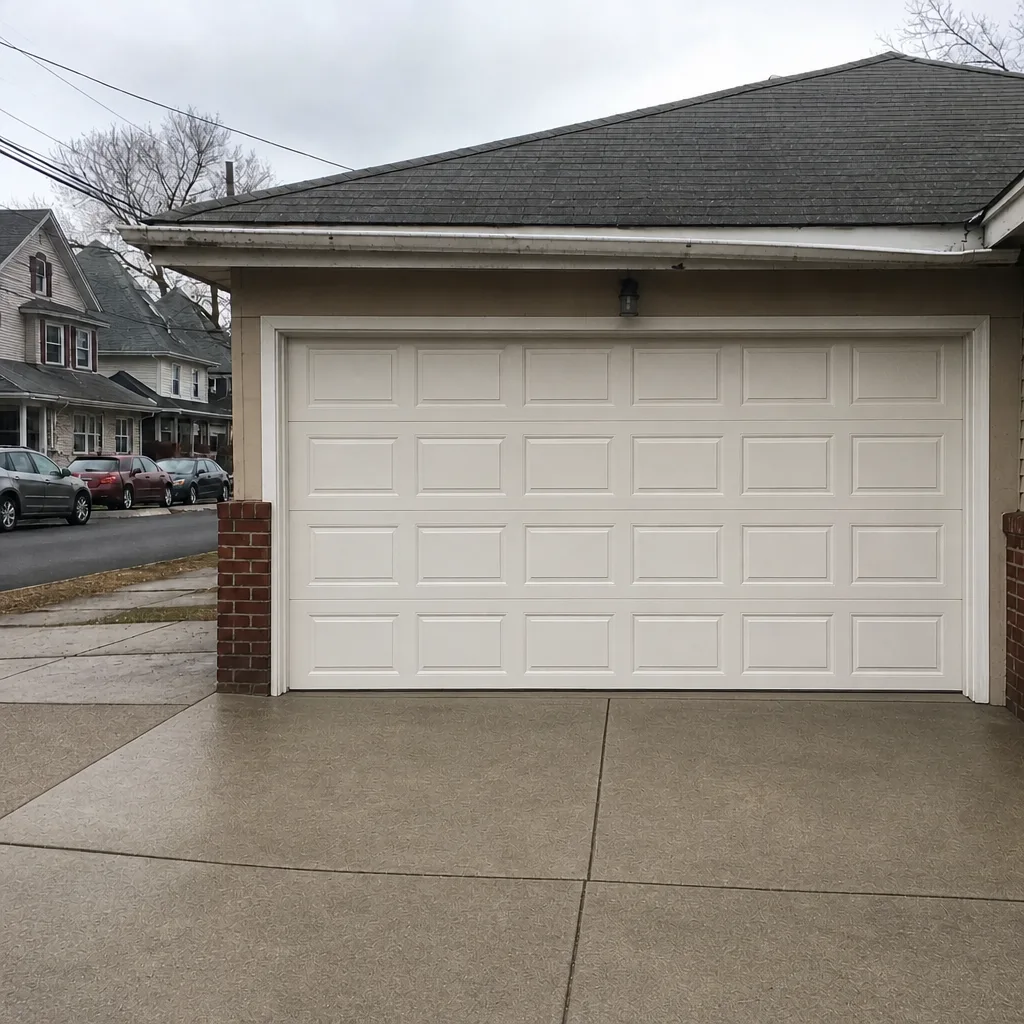 After
 Before
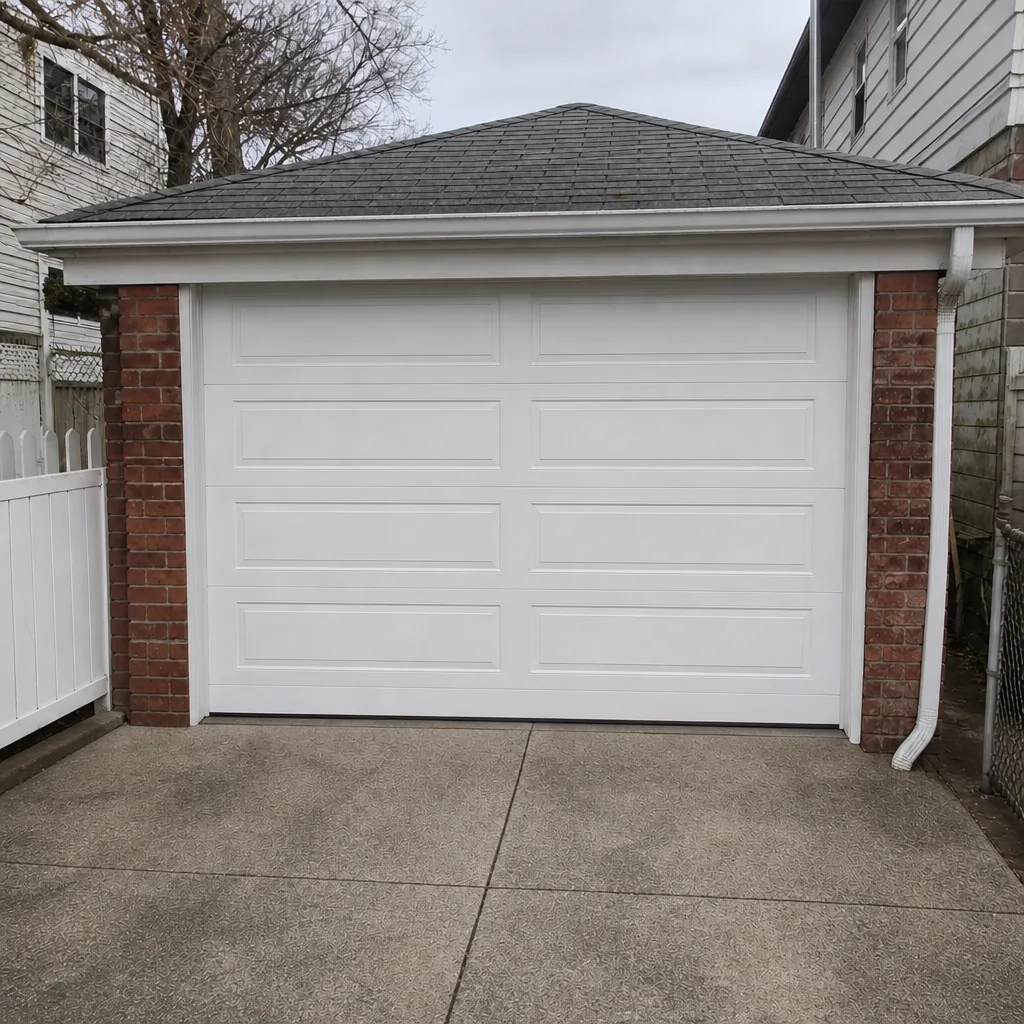 After
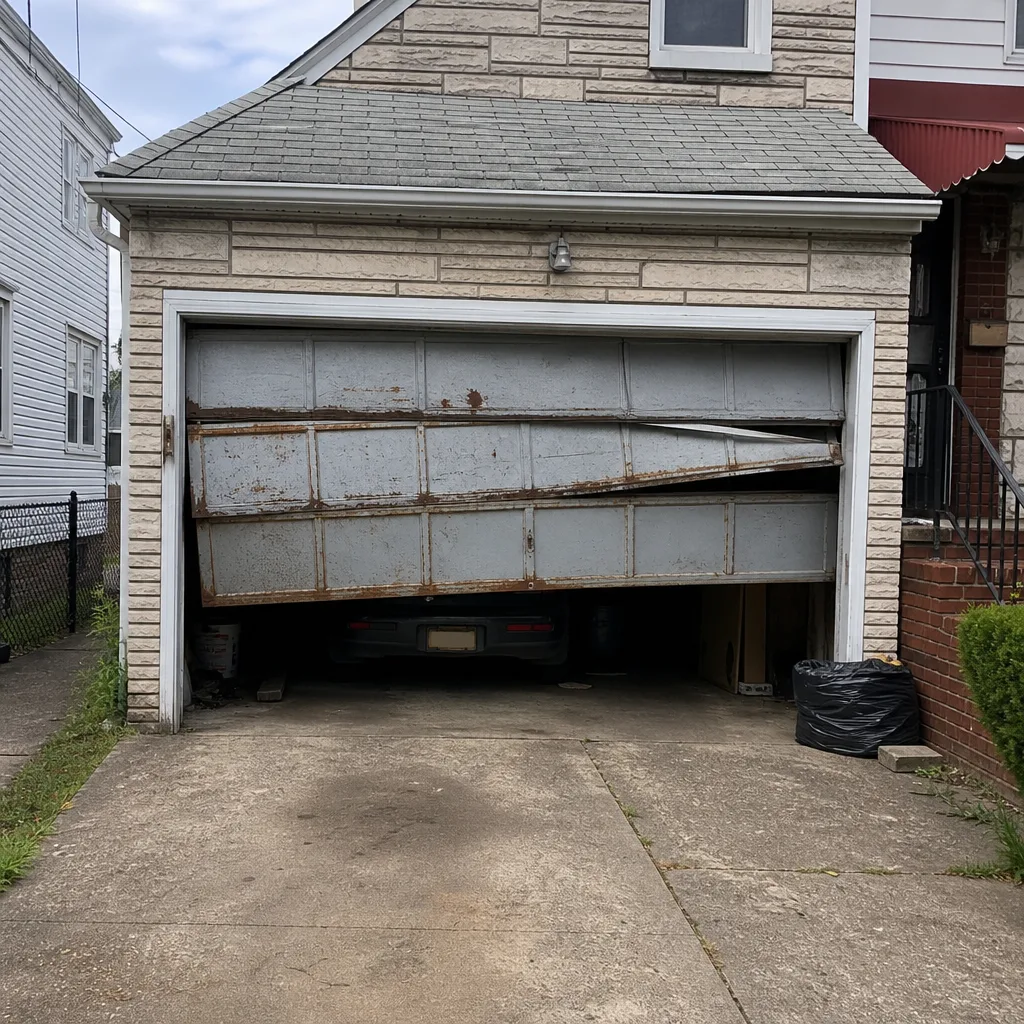 Before
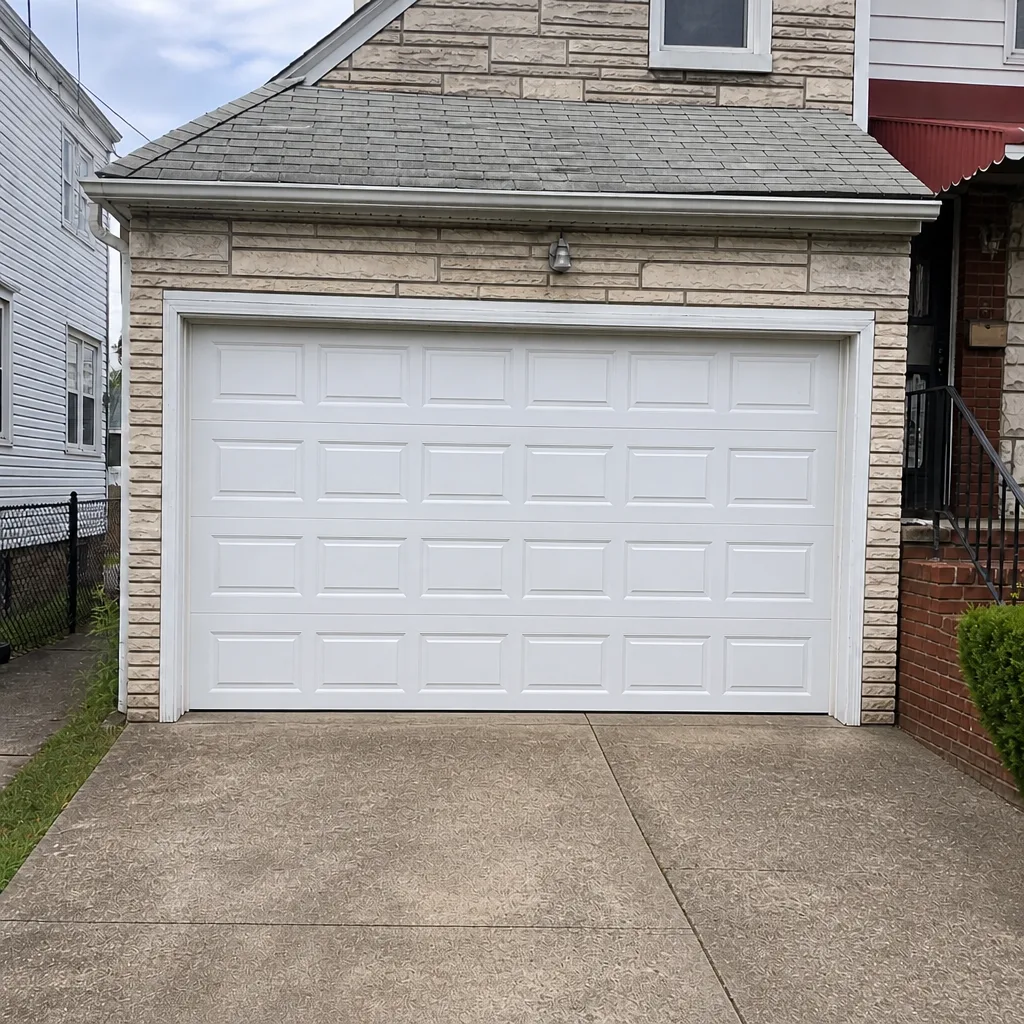 After
When to Call a Professional
Call a trained technician the moment a torsion spring snaps, a cable frays, or the door comes off track. Those are genuine safety situations, and they need a professional with the right tools before anyone touches the door. Call us for a full replacement that might trip the permit question, so a free measure and written estimate get the scope in front of you before anything gets ordered. For opener issues with LiftMaster, Chamberlain, Craftsman, or Raynor hardware, the same answer applies. We’re a garage door specialist, not a generalist, and we work on the actual brand in your home. Garage Door Repair Flatbush offers free estimates in Flatbush – call (855) 765-9251. We answer 24/7. Fast dispatch, 7am-7pm, Sunday through Friday, and closed Saturday, so a call outside dispatch hours is booked into the next opening. If you’re not sure whether your job is a repair or an alteration, we’ll tell you plainly, and if the DOB needs paperwork, we’ll point you at that question before the door goes in.
Frequently Asked Questions
It depends on whether the work counts as a repair or an alteration under the NYC Building Code. A same-size door replacement into an unchanged opening is often treated as a straightforward replacement, but a change to the opening, framing, or structure can push the job into alteration territory, where a DOB permit and inspection may be required. Call (855) 765-9251 for an exact scope assessment and written estimate – estimates are free.
No. A spring replacement is a repair that restores the existing door to working condition, and it doesn’t trigger a DOB filing. The spring is also the most safety-critical part of the door, so it’s a job for a trained technician and never a DIY project. Call (855) 765-9251 for a same-day spring repair.
Use the NYC DOB NOW portal or BIS search to look up the property by address or Borough, Block, and Lot, then review the permit history and certificate of occupancy. If your door went in under a previous owner, the record may show nothing for it. Call (855) 765-9251 if you find a gap and want the door itself evaluated.
The sale can be delayed while the paperwork is remediated, which usually means filing for a permit after the fact and passing an inspection. The door itself is rarely the problem; the missing documentation is. Getting ahead of it with a DOB check before listing avoids the delay. Call (855) 765-9251 for a professional opinion on the door.
The qualified contractor or filing professional typically submits the application and coordinates the inspection, while you verify what’s being filed and keep copies of every approval. A contractor who won’t say plainly what they’ll file is a warning sign. Call (855) 765-9251 and we’ll point you at the right question for your job.
No, the price is set by the written estimate, quoted and agreed before any work starts. A permit cost, if one applies, is set by the DOB and disclosed separately. The door work is one line, the filing is another, and nothing gets added after the fact. Call (855) 765-9251 for a free estimate.
The local pro we connect you with is licensed and insured as their state requires, and every job is quoted in writing before work starts. Ask for the specifics of the technician coming to your Flatbush property and we’ll point you at the right information. Call (855) 765-9251 for a free estimate.
The Bottom Line
The permit question for garage door work in Flatbush comes down to one distinction: repair or alteration. A spring, cable, opener, or single panel replacement is repair, and no DOB filing is triggered. A full door replacement that changes the opening, framing, or structure can count as an alteration and may require a permit and inspection. Check your property’s history on the DOB NOW portal before a sale or a replacement, confirm in writing what your contractor will file, and keep every inspection record. And call a professional for anything involving torsion springs or cables; that part is not a homeowner job. For a door that’s built for this, see Garage Door Repair Flatbush.
Call (855) 765-9251 for a free estimate. We answer 24/7. Fast dispatch, 7am-7pm, Sunday through Friday, and closed Saturday. One call covers the repair, the opener, the spring, the install, and the emergency question. If the door needs a permit-related replacement, we’ll get the scope measured, priced in writing, and the filing question answered before anything is ordered.
Written by the team at Garage Door Repair Flatbush.