
Last updated November 21, 2026
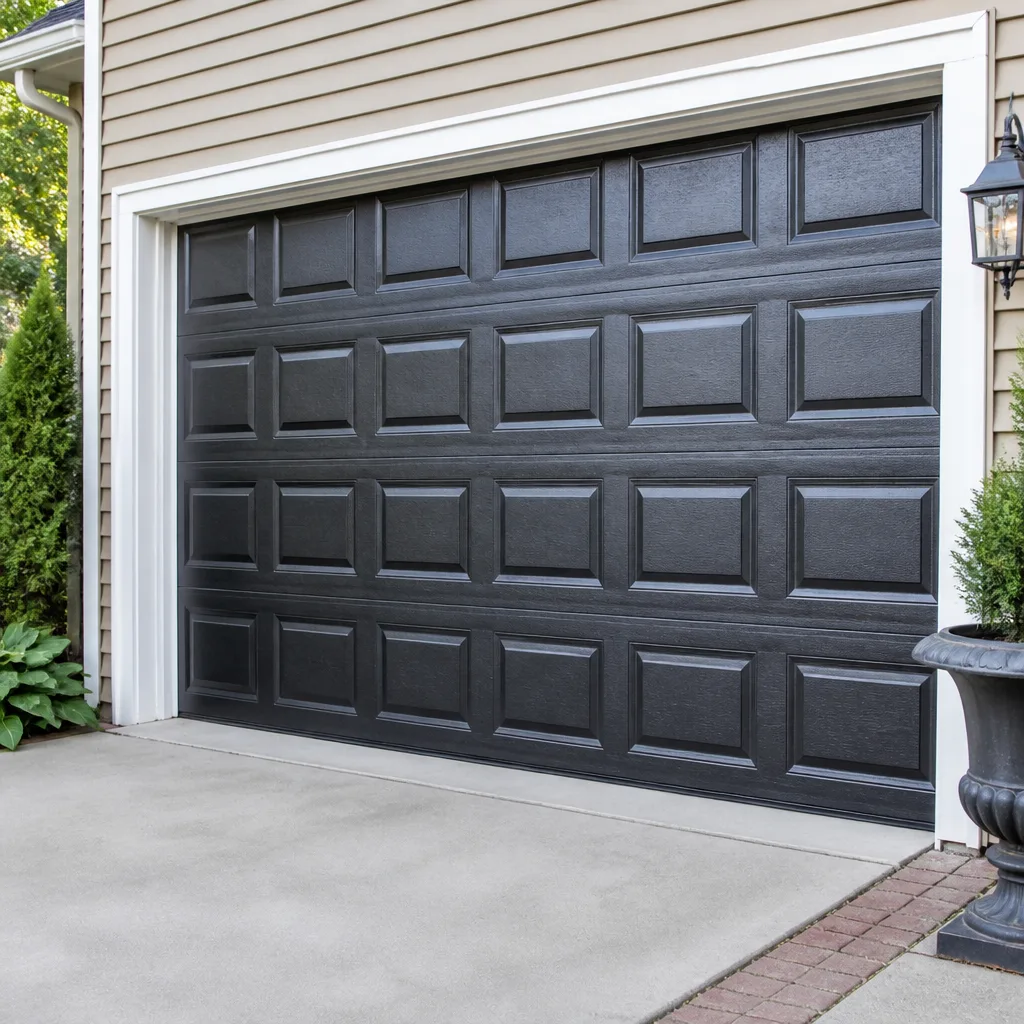 Raised-panel steel
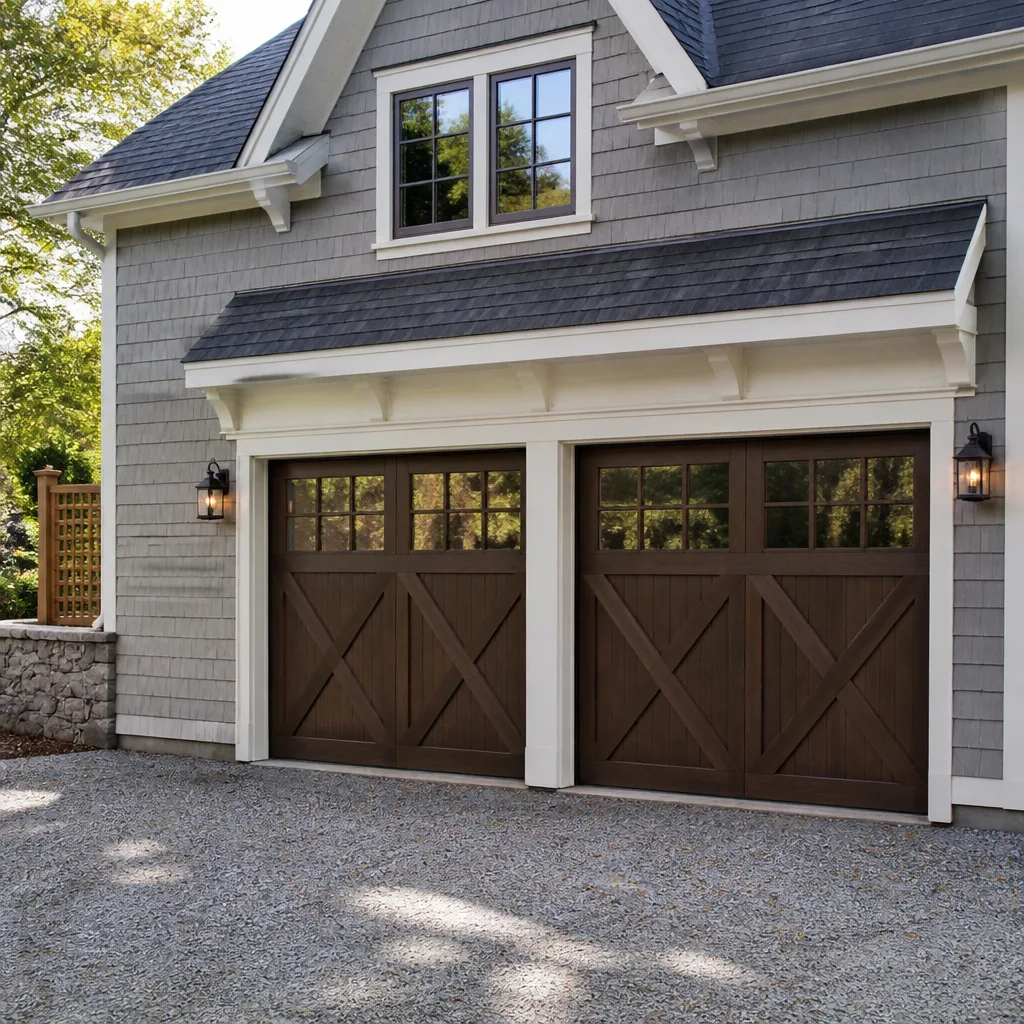 Carriage house
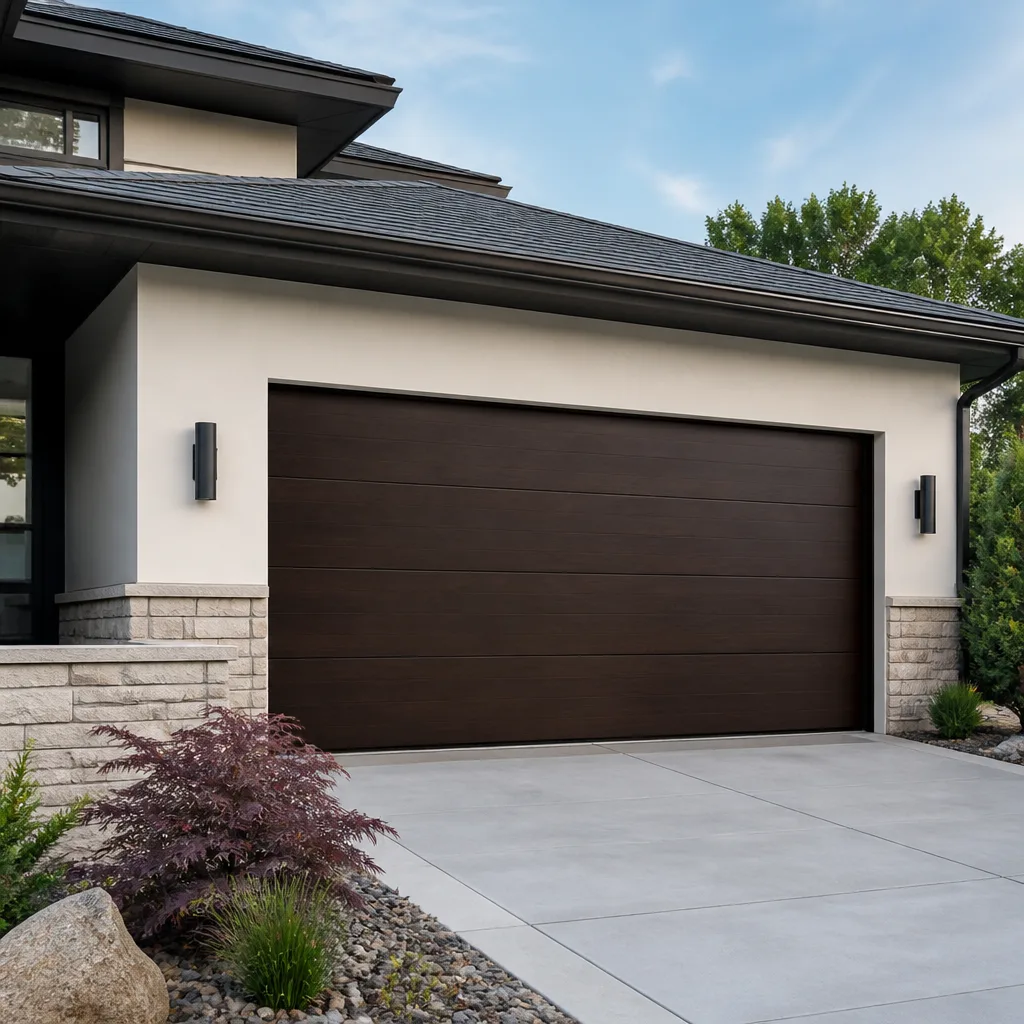 Modern flush
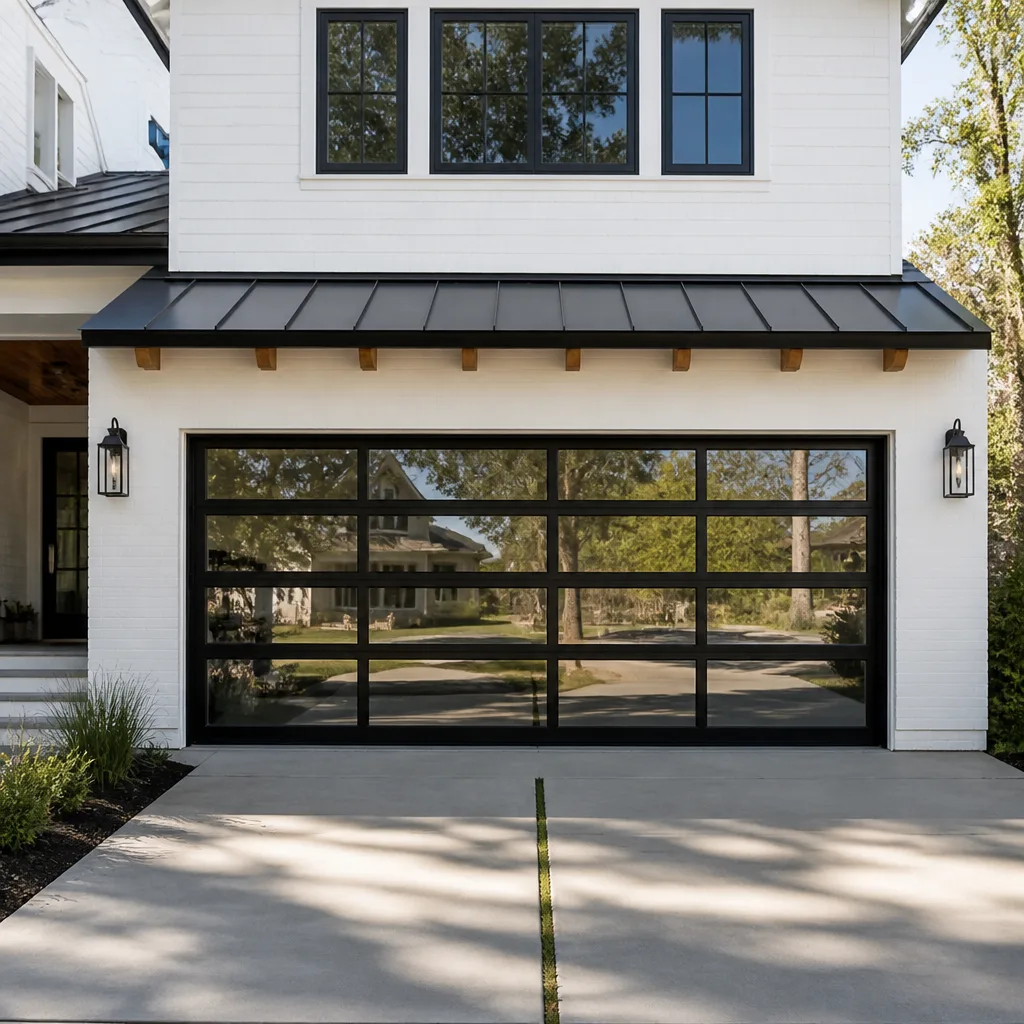 Full-view glass
 LiftMaster openers
 Chamberlain openers
Full 25-point door and opener safety check with every visit - springs, cables, rollers, tracks, and your LiftMaster or Chamberlain opener included
You get a price before we start. It does not change when the pro arrives.
Get your free estimateGarage Door Repair Troubleshooting in Flatbush: Common Problems and How to Fix Them
A door that reverses before it closes is almost never a sensor problem. That’s the first thing Flatbush homeowners get wrong when a door starts acting up. You see the light flicker, you assume the safety eyes are dirty, and you wipe them down. Sometimes that works. Often it doesn’t, because the same symptom shows up on four different problems, and only one of them lives in the sensors. Chasing the symptom instead of the mechanism is how people replace a part that was never broken while the real failure keeps grinding away. This guide walks through the actual systems inside a garage door, maps each symptom to its most likely causes, and tells you which items you can safely handle yourself and which ones need someone trained for the work. If you’ve got a door acting strange in Flatbush right now, you’re in the right place.
Quick Answer
Most garage door problems in Flatbush fall into one of six categories: opener logic, safety sensor alignment, track distraction, spring tension, cable or roller wear, and weather-related binding. A door that reverses mid-travel usually has a sensor, track, or force-setting issue, not a motor failure. The safe fixes you can handle are sensor alignment and light track adjustment. Springs, cables, and torsion hardware carry real injury risk and belong with a trained technician.
Styles & brands we work with
- Raised-panel steel
- Carriage house
- Modern flush
- Full-view glass
- LiftMaster openers
- Chamberlain openers
Table of Contents
- Symptom-to-Cause Matrix: Match the Symptom to the Right Fix
- Opener Failure or Door Failure? How to Tell the Difference
- Why a Door Reverses Before Closing
- Springs and Cables: The Problems You Should Not Touch
- How Flatbush’s Humid Summers and Cold Winters Affect Your Door
- Which Problems Are Safe to DIY and Which Aren’t
- The Quick-Fix Trap: When a Temporary Patch Makes Things Worse
- Brand-Specific Notes: LiftMaster, Wayne Dalton, Raynor, and More
Symptom-to-Cause Matrix: Match the Symptom to the Right Fix
The fastest way to waste money on a garage door repair is to order the wrong part. Start by matching what you see and hear to what’s actually happening underneath. Here’s how we sort symptoms in the field, and it’s the same logic you can use at home before you pick up a phone.
- Grinding or screeching during travel: Usually dry rollers, worn nylon bushings, or a track that’s out of alignment at a hinge point. Not the opener, unless the noise is coming from inside the housing.
- Door reverses before closing or stops partway up: Safety sensors, force-limit settings, track binding, or a spring that’s lost tension. Four candidates, one symptom.
- Door sags on one side: A broken or stretched torsion spring, or a snapped cable on one side of a dual-cable setup.
- Remote works intermittently: Battery, opener logic board, antenna placement, or interference. Almost never the door itself.
- Loud bang from the ceiling, door won’t lift: A torsion spring has failed. Stop using the door.
- Door goes up crooked and binds: Cable off a drum, or a roller out of its track.
Note that three of those six items point to the door’s mechanical system rather than the opener. That single fact changes the repair path, so we cover it in detail below.
Opener Failure or Door Failure? How to Tell the Difference
Before you book anyone, answer one question: is the problem the motor, or the door itself? These are two completely different repairs, and mixing them up is one of the most common reasons Flatbush homeowners pay for a fix that doesn’t solve the problem. Our garage door repair team asks this first on every call.
Here’s how to separate them in two minutes:
- Pull the emergency release. This is the red cord hanging from the opener rail. Pulling it disconnects the door from the opener entirely.
- Lift the door by hand. If it moves smoothly and stays up on its own at about halfway, the door and springs are working. If it’s heavy, refuses to stay up, or feels like lifting a car, the door is the problem and the opener was never at fault.
- Run the opener with the door disconnected. If the trolley moves along the rail without the door, the opener is fine. If the opener itself grinds, clicks, or does nothing, you’re looking at a motor, gear, or logic board issue.
If the door passes the hand-lift test but the opener won’t fire, that’s garage door opener repair, and it’s a very different job from replacing a spring or a cable. Different tools, different parts, usually a different visit. Getting the diagnosis right the first time is the entire point.
Why a Door Reverses Before Closing
Here’s the counterintuitive part we started with: sensors get blamed for everything, but they’re only one of the four causes. If you’ve wiped the lenses and the door still reverses, look at the other three before you touch the hardware.
Cause 1: Sensor misalignment. The two safety eyes sit at the bottom of the track, about six inches off the ground. If sunlight hits one receiver directly, or if a broom handle knocked one slightly out of aim, the door will reverse. A Flatbush rowhouse with a south-facing driveway gets this problem most often in the late afternoon. Straighten them so the indicator lights on both units are solid.
Cause 2: Force-limit setting. Modern openers like a LiftMaster or a Craftsman have a force dial or menu setting that tells the motor how hard to push. If it’s set too low, the door trips on its own friction. Cold weather makes this worse because grease thickens. Adjusting the force limit is a menu item, not a wrench.
Cause 3: Track binding. If a track is bent or out of plumb, the rollers jam and the safety reverse trips. You can spot this by watching the door’s edge. A crooked rise usually means a crooked track.
Cause 4: Sprung or worn spring. A torsion spring that’s lost a bit of tension lets the door hang heavy, and the opener’s safety system reads that as an obstruction. This is the one you should not diagnose by feel.
Springs and Cables: The Problems You Should Not Touch
We’re going to be blunt here. Torsion springs and lift cables are holding thousands of pounds of stored force, and they release that force in a fraction of a second when something lets go. Cable snaps, spring breaks, and improper spring-winding are among the most serious injuries in this trade. Every reputable garage door company treats spring repair as a specialist job, and that includes us. Spring repair is one of our dedicated services, not something we hand off.
What you can safely do is identify the failure and stop using the door:
- Look at the torsion bar above the door. Two springs wound around it. If one has a visible gap of an inch or more, it’s broken.
- Check the cables. They run along the sides of the door from drum to bottom bracket. A stray cable lying slack is a snapped cable.
- If a spring is broken, do not lift the door by hand. Do not run the opener. The counterweight is gone and the door will slam.
- If you hear a bang from the ceiling when the door should have opened, that’s a spring failure. Stop.
A door with one broken spring in a two-spring setup is often replaced as a matched pair. That’s not an upsell. The two springs are wound together and the surviving one has taken on double duty, so it fails next. When a call gets into torsion work, we quote the pair as a pair so there’s no surprise.
If you need a full replacement instead of a repair, that path runs through garage door installation, which is measured, ordered, and scheduled. No same-day promise on that, and there shouldn’t be.
How Flatbush’s Humid Summers and Cold Winters Affect Your Door
Garage doors in Brooklyn live a harder life than doors built for a stable climate. The swing from humid summer air to a frozen January is the biggest single reason this borough sees so many tension and alignment calls.
Summer humidity. Wooden door panels absorb moisture and can swell against their frame. Rollers get sticky, tracks collect grime, and the door binds in the middle of travel. Homeowners notice it as a door that “used to close fine” and now stops at the midpoint. In flatbush rowhouse setups, where the garage door often sits under the front stoop and gets no airflow behind it, the humidity problem is worse than it would be in a detached garage.
Cold winters. Steel contracts. Grease on the rollers and hinges thickens and drags. Springs lose a bit of tension because the metal is stiffer, and the opener’s force limit – set during comfortable weather – trips earlier. A door that was well-adjusted in September often needs a small tension or force adjustment in January.
The combination. The two symptoms look contradictory: summer binding and winter reverse. But both are usually a track that needs alignment and hardware that needs lubrication. A door that fails in both seasons is telling you the track was never plumb, and the seasons just reveal what was already there.
Which Problems Are Safe to DIY and Which Aren’t
We’re not going to tell you every repair needs a technician. Some of it doesn’t. Here’s the honest split.
Safe for most homeowners:
- Replacing opener remote batteries and reprogramming a remote.
- Cleaning the safety sensor lenses and realigning the two units so the indicator lights are solid.
- Cleaning and lightly lubricating rollers, hinges, and the torsion tube surface with a proper garage door lubricant (not WD-40).
- Wiping down the track and removing loose debris.
- Adjusting the force limit or travel limit through the opener’s menu, using the manual.
- Resetting the opener after a power outage.
Not safe, no exceptions:
- Winding, unwinding, or replacing torsion springs.
- Touching lift cables or cable drums.
- Removing the bottom bracket, which is under strong tension from the cable.
- Replacing a spring on a multi-spring torsion bar.
- Working on the track with the door in any position other than fully closed and disconnected.
The line is simple: if your hands are near stored energy, call a trained technician. Everything else, most adults can do with a ladder and twenty minutes.
The Quick-Fix Trap: When a Temporary Patch Makes Things Worse
Here’s a pattern we see more than any other. A door starts acting up, the homeowner makes an adjustment that seems to work, and a month later the same door fails hard. The “fix” worked, but it hid the real problem long enough for it to grow.
The most common trap is turning up the opener’s force limit to get a binding door to close. If the door is binding because a roller is seized or a track is kinked, adding force doesn’t fix anything. It just makes the opener push harder against the same obstruction. The gear wears faster, the motor runs hotter, and eventually the opener fails. Now you’re paying for the original repair plus an opener.
The second trap is skipping lubrication after replacing a roller. New rollers mated to dry hinges will seize in a season. The third is bending a track back with pliers or a hammer. It looks straighter and it usually is not. A track out of true by a fraction of an inch will wear the rollers unevenly for years.
One rule of thumb: if a repair makes the symptom disappear but you don’t know why it disappeared, you haven’t fixed the door. You’ve delayed the problem.
Brand-Specific Notes: LiftMaster, Wayne Dalton, Raynor, and More
Every major opener and door line has its own quirks, and knowing them is the difference between a fifteen-minute adjustment and an hour of guessing. We service products from LiftMaster, Chamberlain, Genie, Clopay, Amarr, Wayne Dalton, Craftsman, and Raynor, and here are the ones that come up most often in Flatbush.
LiftMaster. Force and travel limits are set through a menu on the motor unit rather than physical dials on newer models. Adjusting them without the manual is how people accidentally lock a door into a bad travel range. Also, MyQ connectivity issues (remote app not responding) are almost always a wifi or logic board problem, not the door.
Wayne Dalton. TorqueMaster spring systems – a torsion spring housed inside a tube – show up on a lot of Wayne Dalton doors. They’re not repairable the way an exposed torsion spring is, and the replacement is a different procedure. If you have a Wayne Dalton door and hear a bang from the tube, it isn’t going to be a simple spring swap.
Raynor. Raynor openers and their safety reverse systems sometimes trip on lighter doors when the force setting is too sensitive. That reads as a sensor problem but it isn’t.
Craftsman. Common on older Flatbush homes, and their safety-eye brackets are prone to loosening after years of vibration. A quick re-tighten often solves a “door won’t close” call on its own.
Common Mistakes to Avoid
- Replacing the opener before checking the door. Half of the “dead opener” calls we take turn out to be a heavy door or a broken spring. Replacing the motor won’t fix a mechanical problem.
- Greasing the track. Track rails are meant to run dry. Lubricating them attracts grit that jams the rollers. Lube the rollers, hinges, and spring tube, not the track.
- Using WD-40 on hardware. It’s a water displacer, not a long-term lubricant. It’ll quiet a squeak for a week and then leave you with dry metal.
- Force-adjusting a door that’s binding. Fix the bind first. The opener isn’t there to shove a stuck door closed.
- Ignoring a slightly crooked rise. A door that goes up unevenly is warning you. Cable stretch, roller wear, or a misaligned track gets worse with every cycle.
- Assuming a “one spring broke” repair is done. On a two-spring door, replacing one spring leaves the other carrying the full load. The pair gets replaced because the pair was designed as a pair.
- Running the door after a bang. If you heard a sharp crack from the ceiling and the door drops or won’t lift, don’t cycle it. Call for garage door repair before something else lets go.
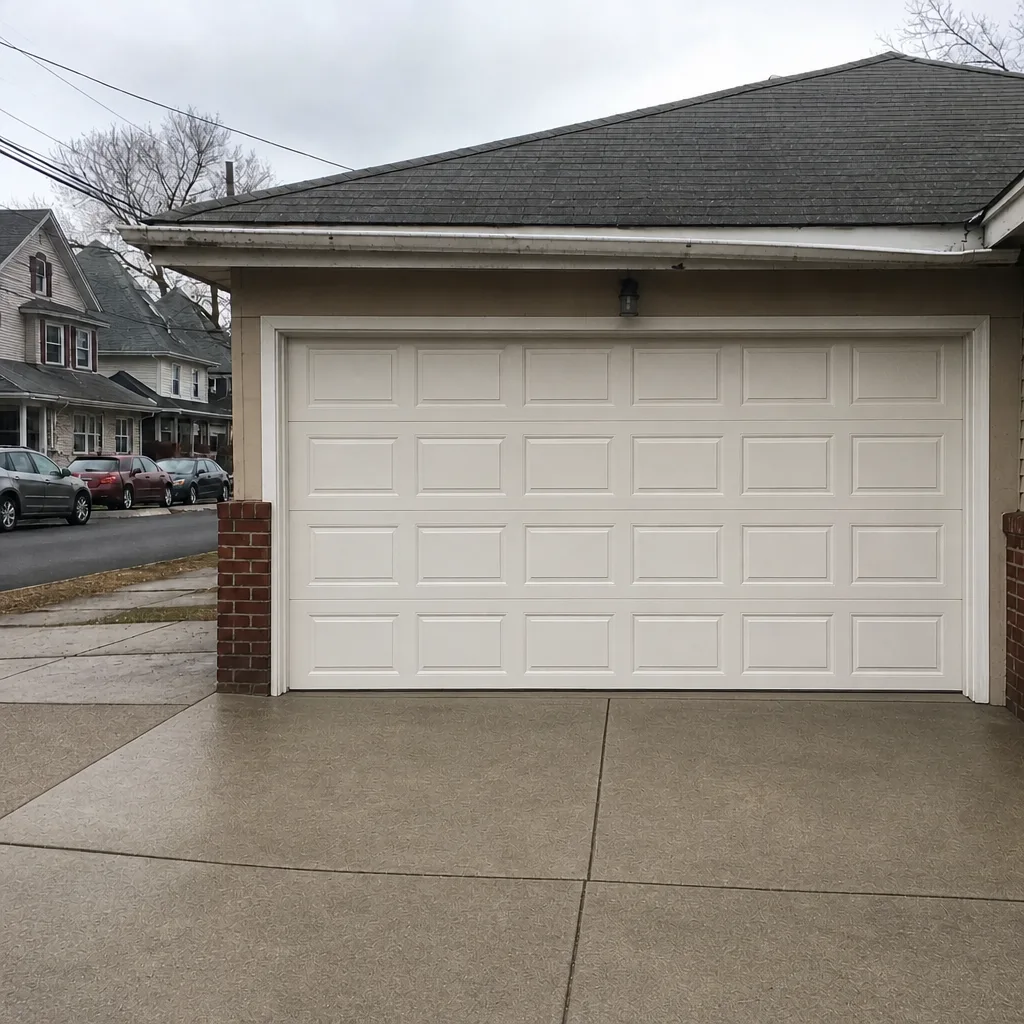
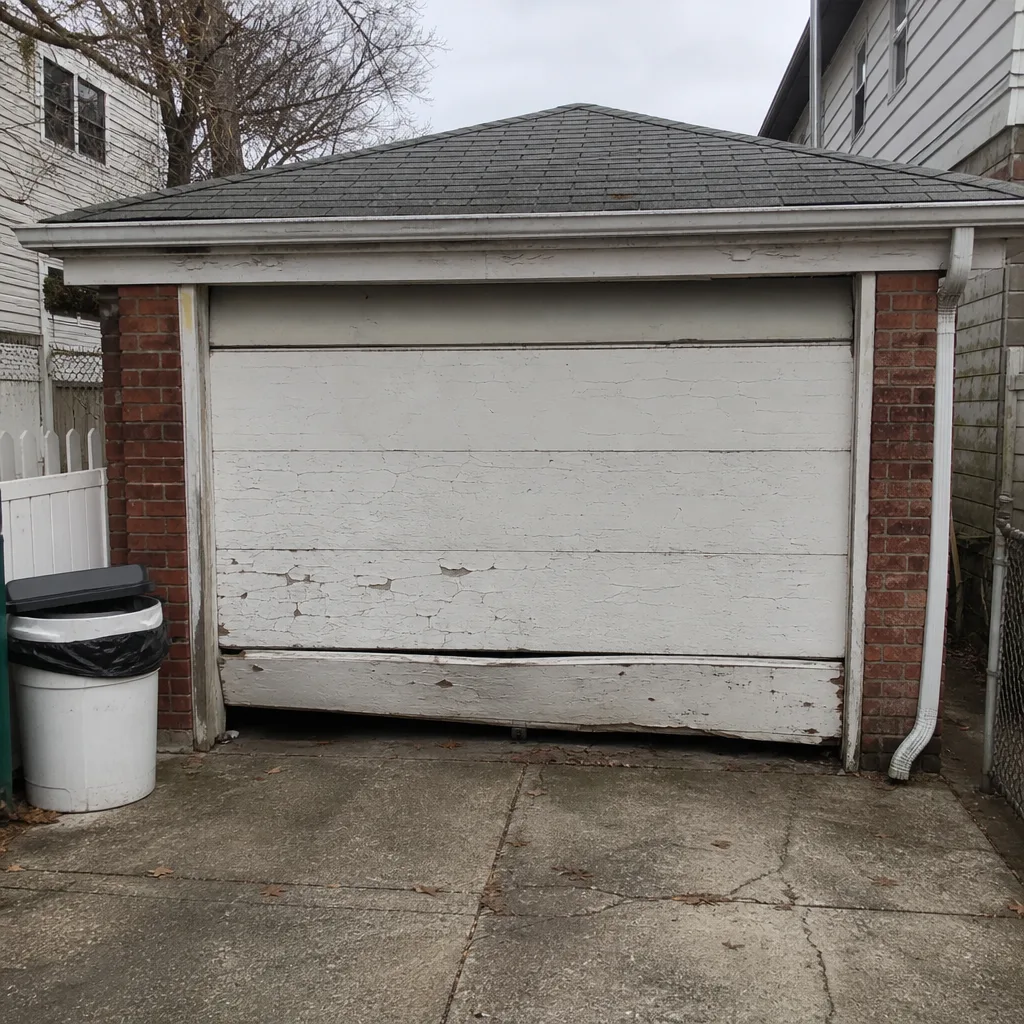
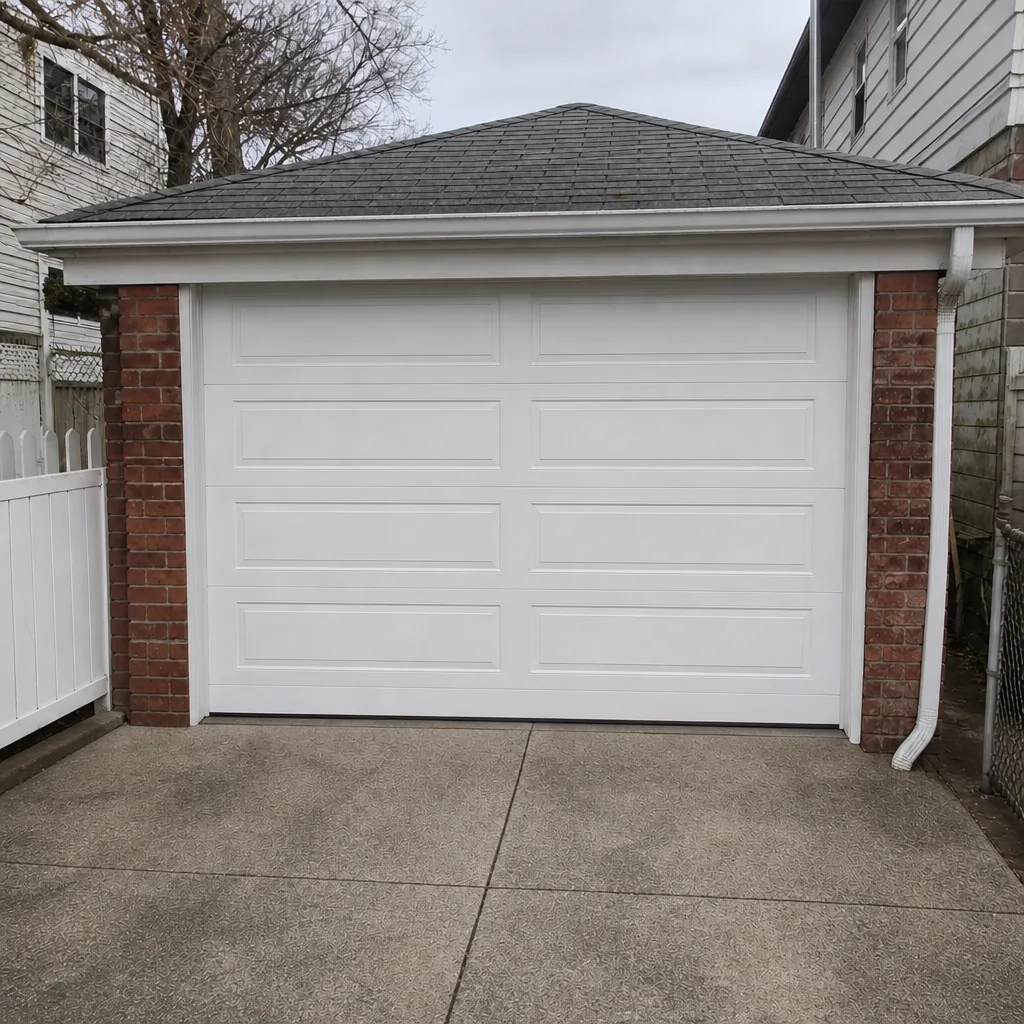
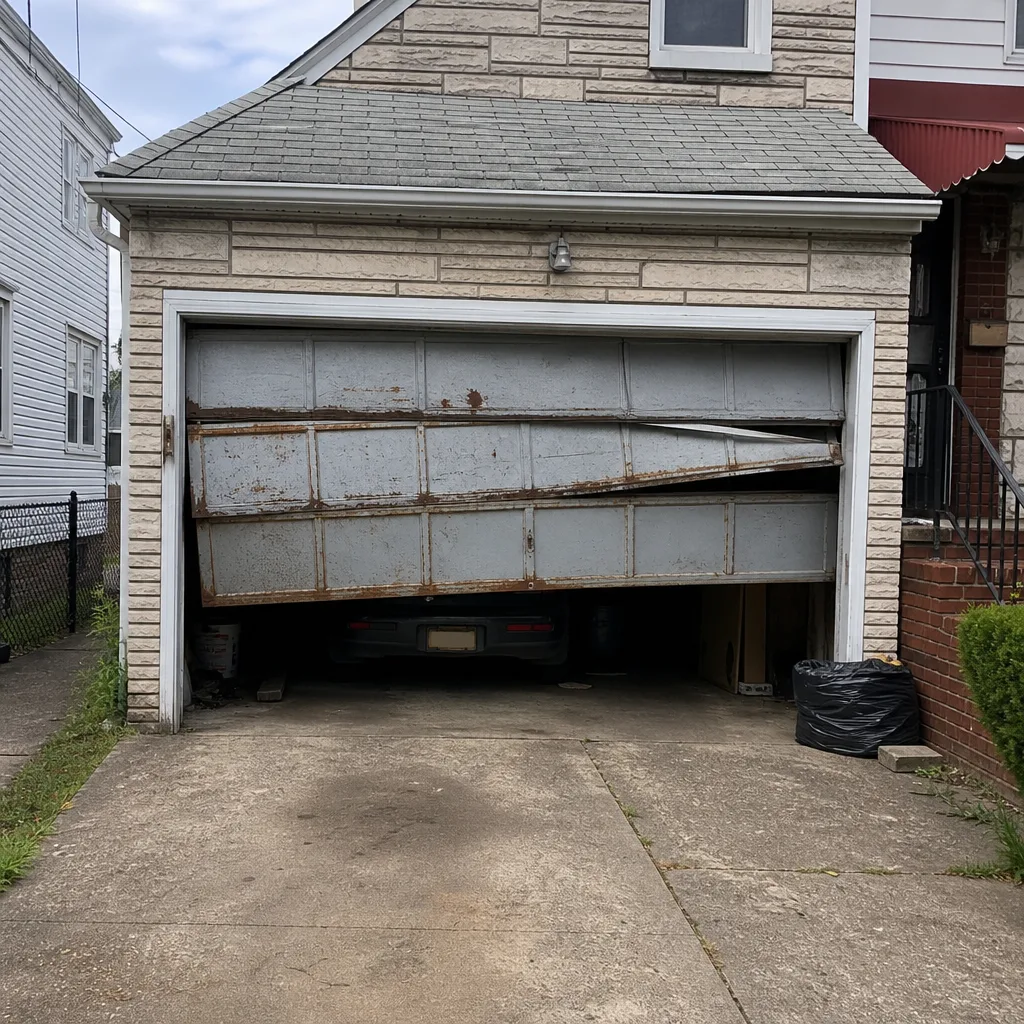
See the difference
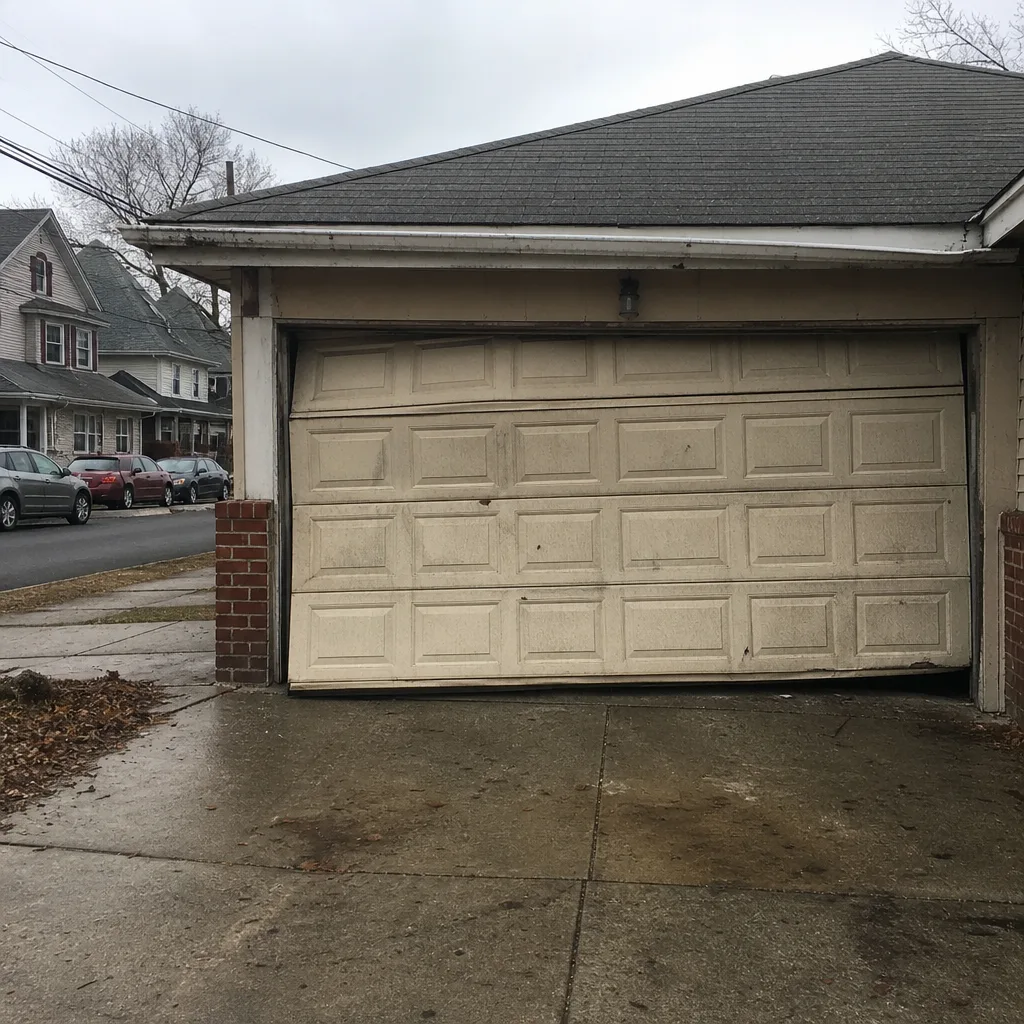 Before
 After
 Before
 After
 Before
 After
When to Call a Professional
Call a trained technician if any of these describe your situation. If the door reverses after you’ve cleaned the sensors, that’s a track or force problem, not a DIY item. If the door sags on one side, uses more force than it did last year, or rises crooked, that’s a mechanical failure. If you hear a snap from the ceiling or the door won’t lift by hand, stop using it and call. If the opener grinds without the door attached, or a LiftMaster or Chamberlain unit flashes a logic error you can’t clear, that’s an opener repair. Spring, cable, and bottom-bracket work always goes to a technician. Garage Door Repair Flatbush offers free estimates in Flatbush – call (855) 765-9251. We work on your brand, and our technicians have up to 14 years of experience.
Frequently Asked Questions
It reverses because the opener’s safety circuit thinks there’s an obstruction. The four causes are misaligned safety sensors, a too-low force-limit setting, a binding or crooked track, or a spring that’s lost tension. Start with the sensors and the force limit; if the door still reverses, the door itself is binding and needs a technician’s eye. Call (855) 765-9251 for a free estimate if you’ve already checked the sensors.
No. Torsion springs and lift cables store many hundreds of pounds of force, and releasing that force without the right tools and technique is genuinely dangerous. This is the one repair we tell every homeowner not to attempt. A trained technician can assess your spring setup and quote the repair, often as a matched pair.
Pull the emergency release and lift the door by hand. If it moves smoothly and stays up on its own at the halfway point, the door is fine and the problem is the opener. If it’s heavy, won’t stay up, or feels wrong to lift, the door is the problem. That single test tells you which repair path to take.
Same-day repair makes sense when the door is stuck open or won’t secure, or when the door has become genuinely unsafe to use. For a slow bind, a noisy roller, or a remote that needs reprogramming, you can schedule a normal visit. We answer 24/7 and offer fast dispatch from 7am to 7pm, Sunday through Friday.
Flatbush summers bring high humidity, and humidity swells wood panels, makes rollers sticky, and lets grit collect on the track. The door binds in the middle of travel. Winter does the opposite – cold thickens grease and stiffens the springs, so the door reverses instead. A door that binds in both seasons has a track that’s out of alignment year-round.
Yes. The local technician who performs the work is licensed and insured as their state requires. We connect homeowners to vetted local professionals, and the price is quoted and agreed before any work starts. Call (855) 765-9251 for a free estimate.
The Bottom Line
Match the symptom to the cause before you call anyone. A reversing door points to sensors, force limits, track binding, or spring tension, in that order. A door that grinds, sags, or fails quickly points to the mechanical system. Do the safe checks yourself – sensors, remotes, lubrication, force limits – and stop there. Springs, cables, and bottom brackets belong with a technician. If a quick fix made the symptom go away but you don’t know why, you’re on the delayed-failure path, not the fixed path. The right repair is the one that fixes the cause. Call (855) 765-9251 for a free estimate in Flatbush. We answer 24/7, and fast dispatch is available from 7am to 7pm, Sunday through Friday.
If your door problem is bigger than troubleshooting can solve, look at what a full replacement involves through garage door installation, or start at the top with our Garage Door Repair Flatbush page for the complete service picture. For motor-specific issues, our garage door opener repair page walks through brand quirks and logic faults in more detail. And if you’re still diagnosing, our garage door repair overview lays out the full symptom set from a technician’s point of view.
Written by the team at Garage Door Repair Flatbush.